Sonoco and ENGIE's 140-MW Virtual Power Purchase Agreement: Key Step in Corporate Renewables Strategy
Sonoco and ENGIE's 140-MW Virtual Power Purchase: Renewables in Corporate Strategy
In a bold move to enhance its sustainability profile, Sonoco Products Company has partnered with ENGIE North America to secure a 15-year Virtual Power Purchase Agreement (VPPA) for 140 megawatts of renewable energy. This deal exemplifies how corporations are increasingly integrating renewable energy into their business strategies, reflecting a broader trend toward sustainability in the corporate world.
Key takeaways
- Sonoco's 15-year VPPA with ENGIE secures 140 MW of renewable energy.
- The agreement will support Sonoco's sustainability goals and reduce carbon emissions.
- ENGIE is a global leader in low-carbon energy solutions, enhancing reliability.
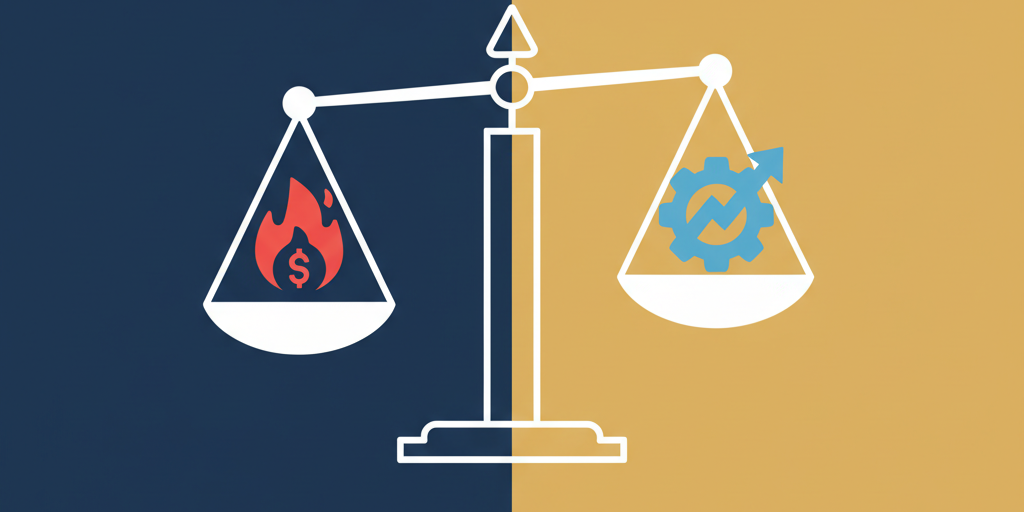
- Renewable energy purchases help companies hedge against future energy price volatility.
- VPPA agreements are becoming a key tool for corporations to meet renewable energy targets.
- This initiative aligns with Sonoco's commitment to responsible packaging and environmental stewardship.
- The partnership supports the growth of the renewable energy sector by driving demand.
The Shift Towards Renewable Energy
The urgency for businesses to adopt renewable energy sources is driven by regulatory pressures, consumer expectations, and an increasing recognition of climate change impacts. Sonoco's decision to engage in a VPPA is a strategic alignment with these trends. This agreement not only provides a stable, predictable energy supply but also helps mitigate risks associated with fluctuating energy prices.
By investing in renewable energy, Sonoco positions itself as a leader in sustainability within the packaging industry. The VPPA is designed to cover the energy needs of Sonoco's operations, significantly reducing its carbon footprint and contributing to a greener economy.
Understanding Virtual Power Purchase Agreements
A Virtual Power Purchase Agreement, or VPPA, allows companies to buy renewable energy without directly connecting to the physical power grid. Instead, they agree to pay a fixed price for energy generated by a renewable project, which is typically sold into the grid. This arrangement provides companies with price stability and contributes to the development of renewable energy projects.
For Sonoco, this means a long-term commitment that not only helps the company meet its sustainability targets but also supports the growth of renewable energy infrastructure. The agreement with ENGIE is expected to generate economic benefits, such as job creation, while also enhancing Sonoco's reputation as an environmentally responsible company.
ENGIE's Role in the Renewable Energy Landscape
ENGIE North America, a subsidiary of the global energy giant ENGIE, has established itself as a key player in the renewable energy sector. With a firm commitment to low-carbon energy solutions, ENGIE is well-positioned to assist companies like Sonoco in achieving their renewable energy goals.
The company's experience in managing large-scale renewable projects means that Sonoco can rely on ENGIE for expertise and operational support. This partnership not only enhances Sonoco’s energy strategy but also contributes to ENGIE's mission of accelerating the transition to a sustainable energy future.
The Broader Impact of Corporate Renewable Energy Commitments
Corporations are increasingly recognizing the importance of renewable energy as a core component of their business strategies. VPPA agreements, like the one between Sonoco and ENGIE, are becoming vital tools for companies aiming to reduce their environmental impact.
These agreements provide a pathway for companies to meet ambitious sustainability targets, often set in response to consumer demand and regulatory requirements. As businesses like Sonoco commit to renewable energy, they not only reduce their carbon footprint but also influence the wider market by driving demand for clean energy solutions.
Moreover, as more companies engage in VPPAs, the renewable energy sector stands to benefit significantly. Increased investment in renewable projects can lead to job creation and technological advancements, fostering a more sustainable energy landscape.
Conclusion
Sonoco's partnership with ENGIE to secure a 140-MW Virtual Power Purchase Agreement marks a significant step in the company's journey toward sustainability. This move not only addresses immediate operational energy needs but also aligns with the growing demand for corporate responsibility in the face of climate change.
As businesses continue to prioritize renewable energy in their corporate strategies, the landscape of energy consumption will shift dramatically. Companies willing to innovate and invest in sustainability will not only benefit from operational efficiencies but also position themselves as leaders in the transition to a greener economy. The challenge remains for others to follow suit and contribute to a collective effort in combating climate change.